
We wanted to end the moment someone says, "We've done that before."
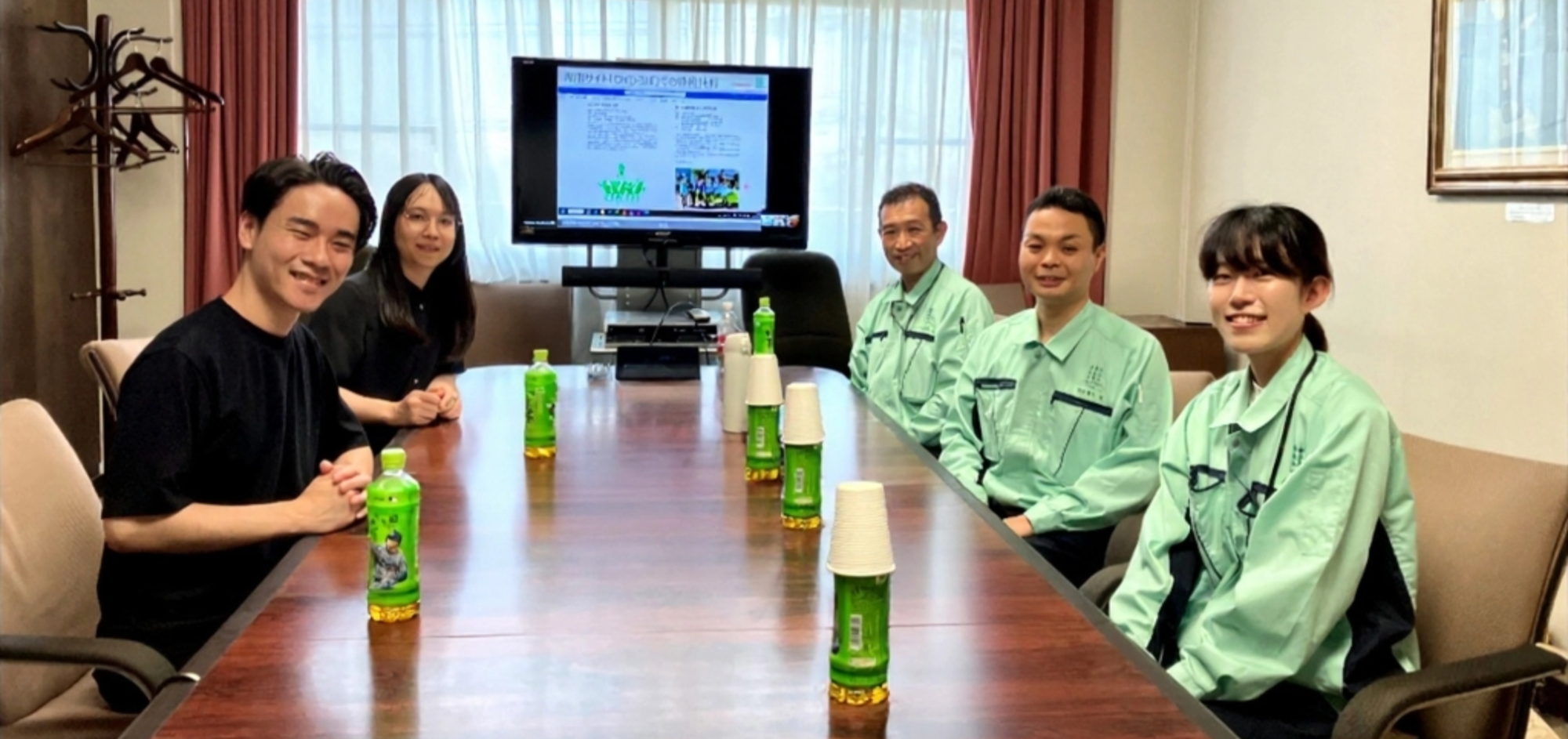
Harima Chemicals and Elith worked together on an initiative to connect nearly 80 years of accumulated technical knowledge to the next generation of research.
A young researcher works out the experimental conditions and shows them to a veteran colleague. Sometimes, the veteran responds with words like these:
"We've done this before."
Past reports and experimental data remain within the company. Even so, if they can't be found when needed, that knowledge never carries over to the next round of research.
What Harima Chemicals's Research Planning Department faced was this state of information that exists but can't be put to use. Elith worked alongside them for about three months, supporting design and technical decisions.
Two members of the Research Planning Department led the development themselves, aiming to build a system they could create and adjust on their own as needed.
200 results, or zero
Research reports and experimental data had been accumulating within the company. The problem was that the knowledge people needed couldn't be found quickly.
A search would turn up around 200 results. Narrow the conditions, and it would drop to zero. Time would run out before reaching the information they wanted, and in the end, they'd ask someone who knew. The knowledge hadn't disappeared — it simply went unused.
The Research Planning Department had initially considered using AI agents for idea generation as well. But the more they listened to people on the ground, the clearer it became what needed to be tackled first.
"A young researcher decides on experimental conditions and moves the work forward, then shows it to a veteran, who says, 'We've done that before.' That kind of thing actually happens." (Obata, Harima Chemicals)
The first priority was making it possible to draw out the research knowledge already inside the company. RAG became the entry point for doing that.
Elith started by offering a map, not a finished product
Explanations of RAG are everywhere. But once you apply it to your own company's research reports, the number of decisions you need to make upfront suddenly grows. To decide which documents to handle and how far to extend the search scope, they first needed an overall picture.
As the two members of the Research Planning Department moved forward with development, Elith organized and shared the necessary technologies, the process, and the areas likely to take time.
"There are explanations of what RAG is, but actually developing it is a completely different matter. Honestly, we didn't really understand what we needed. Elith gave us solid materials early on and showed us what was required. Without that signpost, I don't think we could have done it." (Sekine, Harima Chemicals)
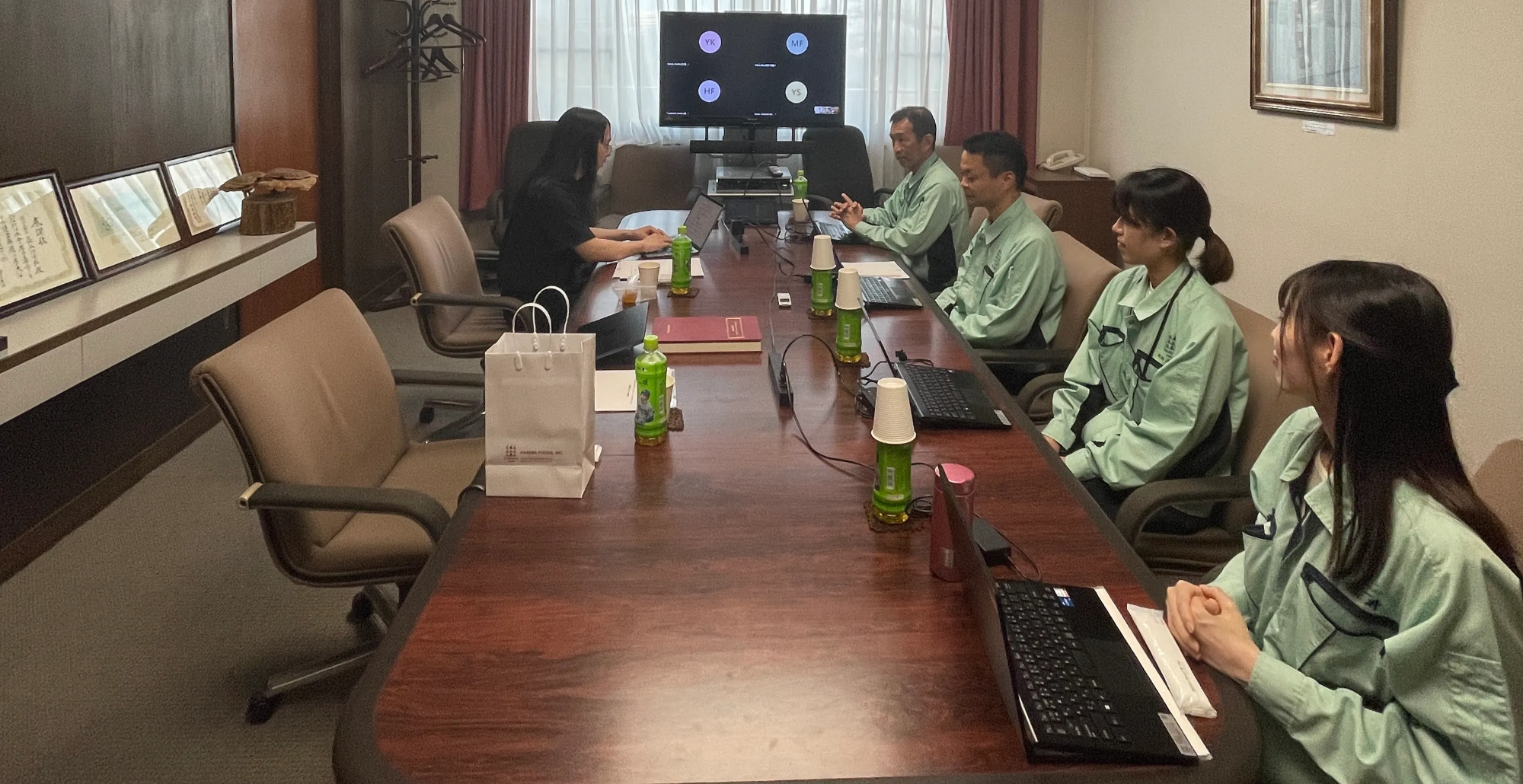
Once a week, they brought whatever they hadn't understood while working hands-on. The meetings became less a place to receive answers than a place to think about what to try next.
On top of that, feeling it would be a waste not to, they say they saved up questions for the next meeting.
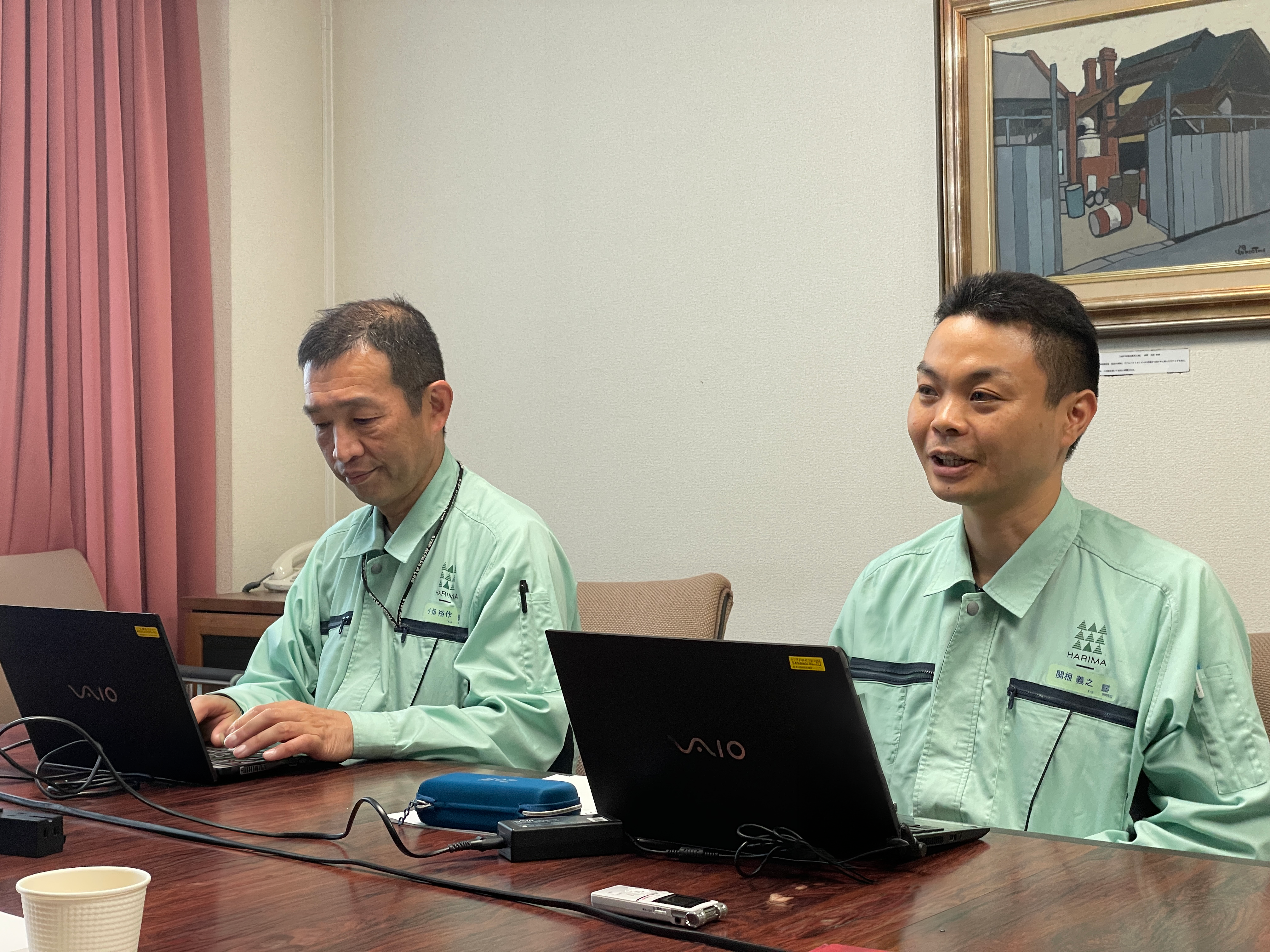
Elith supported the discussion around design and implementation direction. To leave Harima Chemicals with more than just a search application — a system they could keep growing themselves — the implementation itself was led by Harima Chemicals.
The clues researchers use to find information
The initial search didn't always reach the information researchers wanted. Sometimes they want to find documents with similar meaning; other times they want to search from a different kind of clue.
Researchers don't search for documents by topic alone. They also use clues already in their heads, such as an author's name or the experimental conditions.
"In the early stage, we had only put in hybrid search. It didn't search the way we expected, and it felt like this might be a bit of a problem." (Sekine, Harima Chemicals)
The search method was reworked to match how researchers actually search. Rather than just adding features, they also reconsidered who was searching, with what words, and for what.
Adding more documents brings the next challenge
Trying to broaden the scope of search brings up a different set of issues. Some research reports exist as scanned PDFs, and there's no guarantee that documents brought in going forward will be in the same format.
Focusing on search accuracy alone doesn't make for a usable system. Every time a new document is added, they need to think through how much of it to read and how to handle it.
"Right now, we're trying to bring new kinds of reports and survey documents into the database too. Whenever the format changes, new things come up that we need to work through again." (Fukai, Harima Chemicals)
Through the PoC, the Research Planning Department reached the point of being able to work out the next round of adjustments on their own. Which documents to add, and in what order, will continue to be decided on the ground going forward.
"I'm already using it to search"
After the PoC, the system was also introduced at an in-house exhibition. There, they say they've received comments like, "I'm already using this to search."
Partly because information was shared even during development, use has begun spreading to multiple research sites. The more people use it, the clearer the next things to fix become.
Aiming to be a company where chemists can work with AI
This initiative aims for more than just expanding the reach of search.
"We're not thinking about hiring a lot of data scientists. We'd like our chemists to be able to do this kind of thing themselves." (Obata, Harima Chemicals)
The people who understand the meaning of research themes and in-house data most deeply are the people on the ground. This PoC also aimed to help those people use AI to shape their own questions.
At Harima Chemicals, they're working to increase the number of people taking on RAG and coding, not only in the Research Planning Department but in other departments as well.
The goal is for researchers to be able to reach past knowledge on their own, before anyone tells them, "We've done that before." What researchers go on to try from there is something the people on the ground will continue to decide.
A message from Elith to Harima Chemicals, Inc.
Thank you very much for taking part in this valuable interview.
We're delighted to have been able to explore a solution together for the challenge of drawing out years of accumulated research reports and experimental data in a form that can be put to use in the next research effort.
As shared in the interview, your team's careful explanations of what clues researchers use to search for information, and in what situations they need past knowledge, deepened our own understanding of the research floor. We're deeply grateful that you brought questions proactively to the weekly meetings and drove the development forward yourselves through repeated trial and error. For us at Elith too, this was an extremely meaningful opportunity to help implement the potential of AI in a way rooted in the realities of research and development, and to support the creation of a system your chemists can continue to grow on their own.