Challenge
In emergency medical response, how to efficiently deploy limited personnel and vehicles had become a major challenge.
Learn more about Challenge 日本語版
日本語版Case study / Jul 24, 2025
In emergency medical response, how to efficiently deploy limited personnel and vehicles had become a major challenge. There were also cases where response to severely ill patients was delayed, and situations where over-responding to minor cases strained ambulance crew resources.
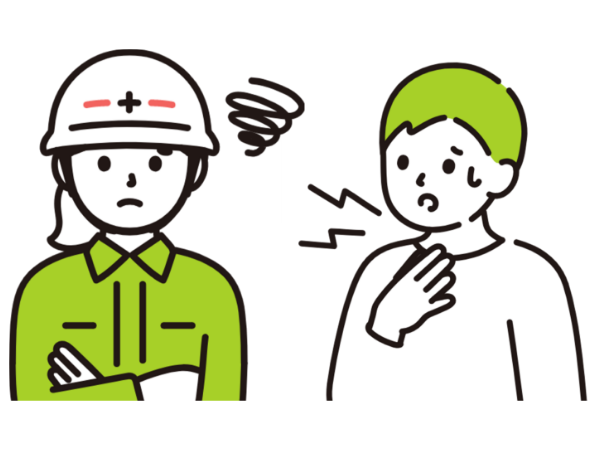
In emergency medical response, how to efficiently deploy limited personnel and vehicles had become a major challenge.
Learn more about ChallengeBased on patient condition and base location data, a machine learning model using LightGBM predicts severity.
Learn more about ApproachShortened arrival times for severely ill patients and distributed the burden on ambulance crews through appropriate triage of minor cases.
Learn more about OutcomesIn emergency medical response, how to efficiently deploy limited personnel and vehicles had become a major challenge.
There were also cases where response to severely ill patients was delayed, and situations where over-responding to minor cases strained ambulance crew resources.
Based on patient condition and base location data, a machine learning model using LightGBM predicts severity.
By combining optimization algorithms with mathematical programming techniques, the system also recommends effective ambulance deployment, building a mechanism that makes full use of available resources.
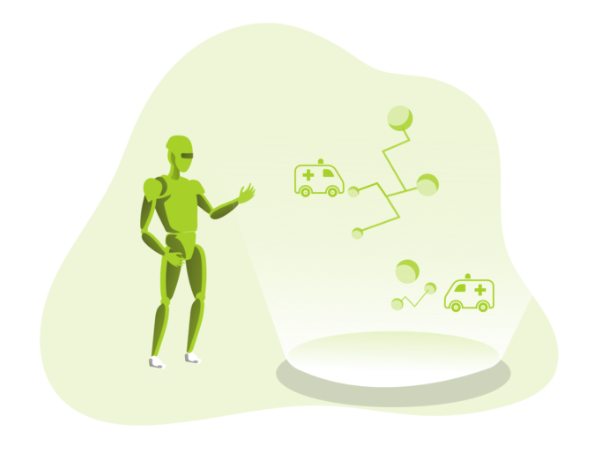
Shortened arrival times for severely ill patients and distributed the burden on ambulance crews through appropriate triage of minor cases.
Contributed to building a structure that makes maximum use of limited medical resources.